
How Many Fittings Does a Custom Dress Actually Need?
One fitting or three? Here's exactly how many fittings a custom dress needs and what happens at each stage so your outfit fits perfectly on the day.
By Felicia · 22 September 2026
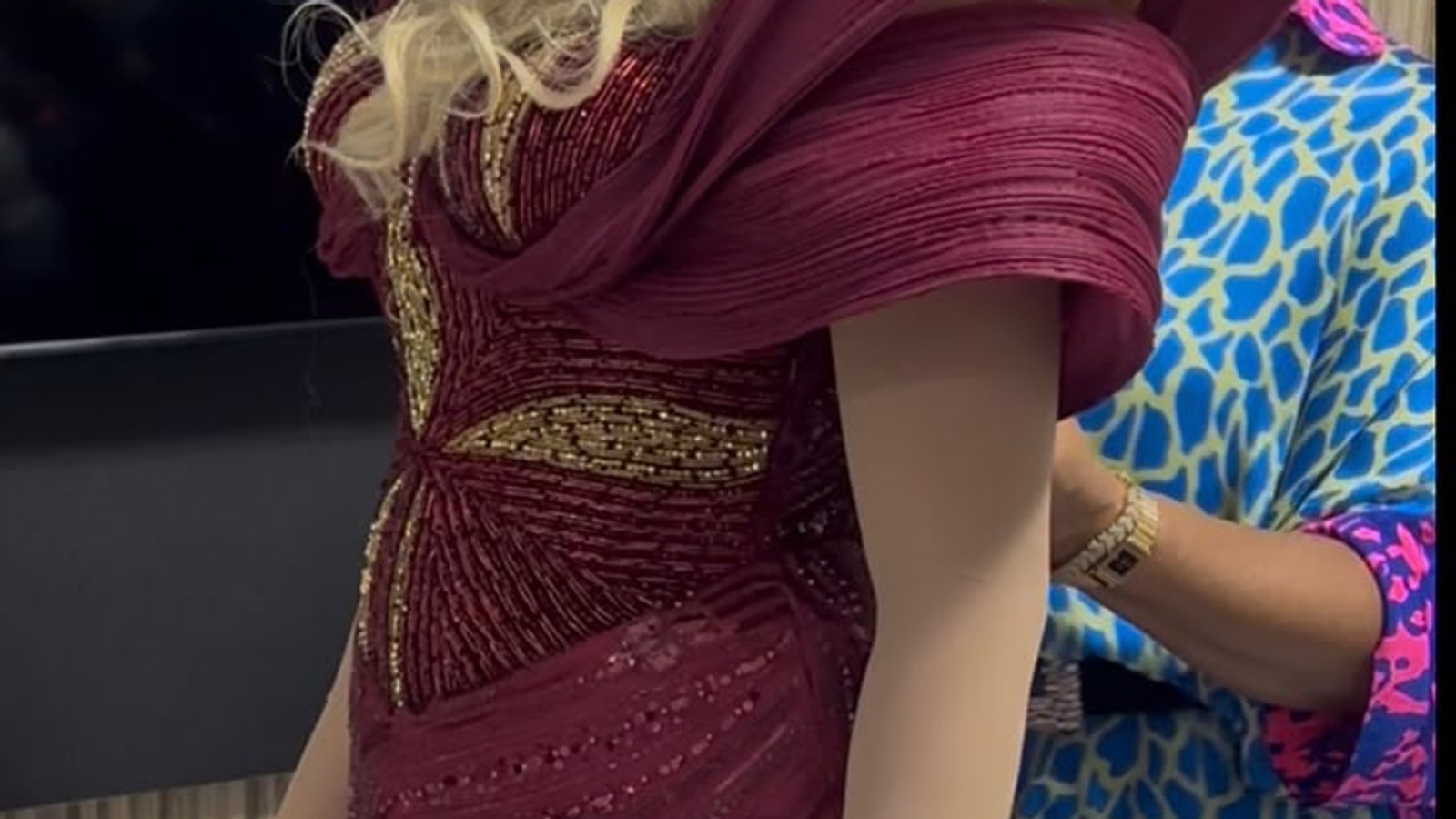
How Many Fittings Does a Custom Dress Actually Need?
Most people asking this question are really asking something else: "Can I skip one?"
And look, it's an understandable question. Fittings take time. They require scheduling. They mean another trip to the designer, sometimes more than once, at a point in your event planning when your calendar is already full. So the temptation to ask "is this one really necessary?" is completely real.
Here's the honest answer: the number of fittings your custom dress needs depends on the dress, your body, and the designer, but no fitting in the process is there by accident. Each one does a specific job. Skip it, and that job doesn't get done. You'll see the gap in the finished result.
This guide explains exactly what fittings are for, how many you should expect, what happens at each stage, and what's at risk when the process gets compressed.
Quick Answer: How Many Fittings Does a Custom Dress Need?
Most custom dresses require two to three fittings minimum. A simple design with a clean silhouette may be completed in two. A heavily structured, embellished, or multi-layered piece like a bridal gown or a couture event dress often needs three to five. The exact number depends on the complexity of the design, how closely your measurements translated to the initial pattern, and how many adjustments are needed along the way. More fittings mean more precision, not more problems.
What Is a Fitting, Actually?
A fitting is a session where you try on the garment while it's still being made, not after it's finished, so your designer can see how it's sitting on your real body and make corrections before the final work is done.
It is not a reveal. It is not a celebration. It is a technical stage of the construction process.
Think of it like this: your measurements gave your designer a map. The fitting is where they check the map against the actual terrain. And anyone who has ever followed a map knows that the map and the ground don't always match perfectly on the first pass.
Fitting 1: The Toile or First Draft Fitting
When it happens: Early in production, before the real fabric has been cut and sewn.
What you're trying on: Either a toile (a test version of the dress made in cheaper fabric to check the pattern) or an early version of the actual garment with seams left wide and hems left unfinished, specifically so adjustments can be made.
What your designer is checking:
- Does the overall silhouette sit correctly on your body?
- Is the bodice length right front and back?
- Are the shoulder seams sitting at the right point?
- Is there enough ease across the bust, hips, and arms?
- Is the waist seam sitting at your actual waist?
- Does the neckline fall where it should?
What to expect: This fitting will not look like the final dress. The fabric may be rough. There will be pins everywhere. The hem will be raw. This is normal, and it's exactly what's supposed to happen at this stage.
What you should do: Say everything. If something feels tight, say so. If the neckline feels too low or too high, say so. If the shoulder feels like it's pulling forward, say so. This is the cheapest point in the process to make changes. Changes here cost your designer time and a bit of fabric. Changes at the final fitting cost significantly more, and some can't be made at all.
Fitting 2: The Work-in-Progress Fitting
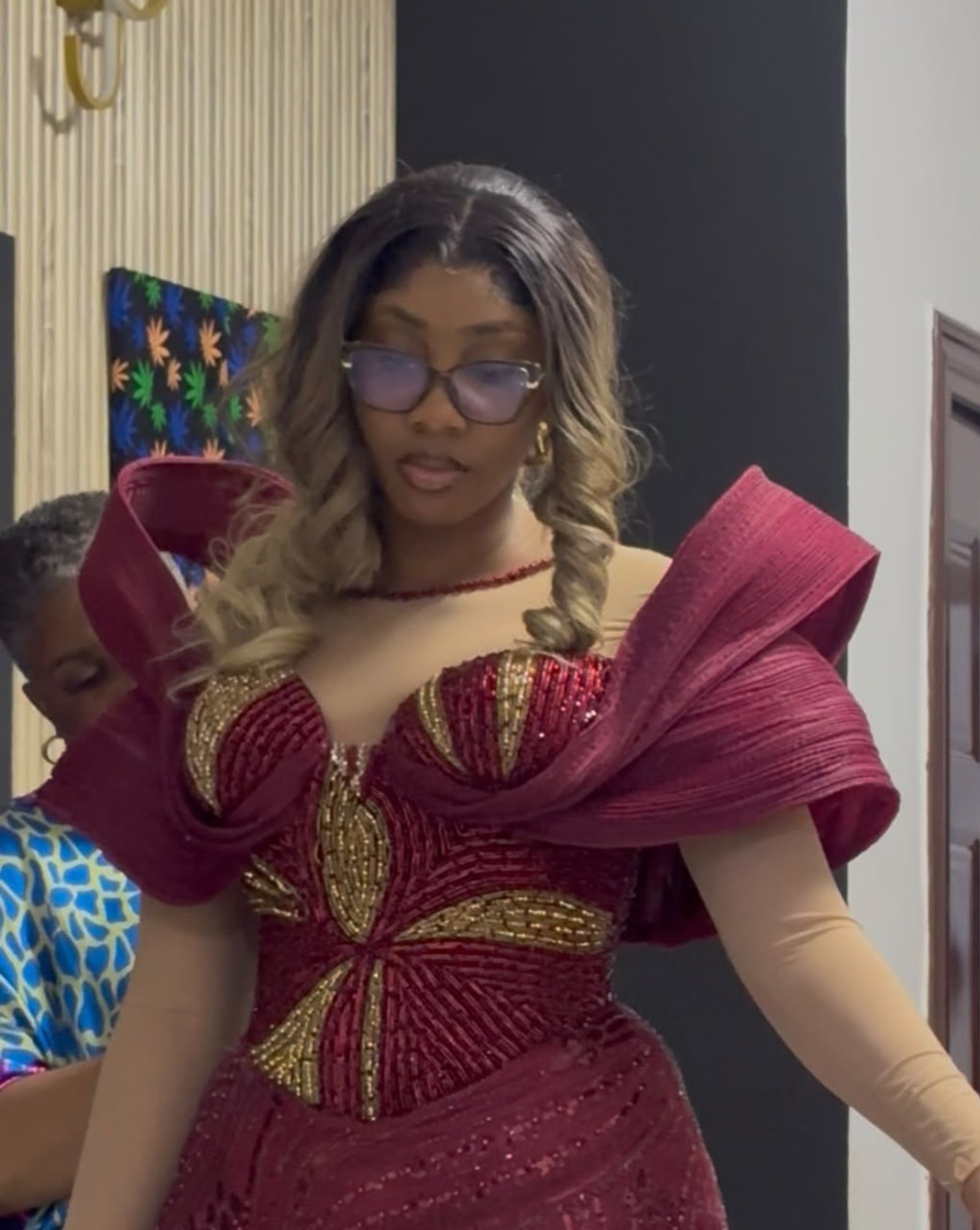
When it happens: After the first round of corrections have been made and the garment is further along in construction, seams sewn properly, structure taking shape.
What you're trying on: The actual dress in progress. At this point it should look considerably closer to the finished piece. Embellishment may have started. The major structural decisions have been made.
What your designer is checking:
- Have the corrections from Fitting 1 been executed correctly?
- Does the fit hold up now that the garment has more structure?
- Are there any new issues that appeared after the adjustments?
- Is the zipper or closure sitting and functioning correctly?
- Is the overall balance of the design reading well on the body?
What to expect: This fitting is often where the dress starts to feel real. You'll begin to see it as a finished object. That said, resist the temptation to call it done if something still isn't right, this is the moment to say it.
What you should do: Move in it. Sit down. Walk across the room. Raise your arms. Bend slightly. A dress that fits perfectly standing still but restricts movement when you sit or walk is not a dress that fits; it's a dress that looks like it fits. You'll find out which one it is by moving.
Fitting 3: The Final Fitting
When it happens: Close to your event date, once the garment is fully or near-fully completed.
What you're trying on: The finished dress or as close to finished as possible. Hems done. Embellishment complete. Closures working. Lining in.
What your designer is checking:
- Does everything from the previous fittings hold up in the completed version?
- Is the hem falling correctly at your actual shoe height?
- Are all finishing details clean and secure?
- Does the dress look and feel right from every angle?
What to expect: Minor adjustments only at this stage a hem tweak, a hook repositioned, a strap shortened. Major structural changes at this point are a sign that something earlier in the process was missed or not communicated clearly.
What you should do: Wear the exact shoes and undergarments you'll wear on the day. The hem, the fit across the hips, and the silhouette of the bodice can all shift depending on heel height and undergarment choice. Don't approximate it, bring the actual items.
When You Might Need More Than Three Fittings
Three fittings cover most custom dresses well. But some garments genuinely need more, and that's not a failure it's the process working as it should.
You may need four or five fittings if:
- Your dress is a bridal gown. Bridal work is the most demanding category of custom clothing. A wedding dress especially one with a structured bodice, boning, a train, intricate lace placement, or heavy embellishment may require four to five fittings to get right. This is standard, not excessive.
- Your design is highly embellished. Beading, hand embroidery, feather trim, and layered appliqué all affect how the garment hangs and moves. Each addition can shift the fit slightly, requiring a check after each major embellishment stage.
- Your body changed between fittings. Weight fluctuation, hormonal changes, or post-surgical changes can affect how a garment in progress fits. The more significant the change, the more work is required to realign the pattern.
- The design is technically complex. Structured corsetry, dramatic draping, and architectural skirt designs that require precision construction benefit from more frequent check-ins during the build.
When One Fitting Might Be Enough
One fitting is sometimes sufficient but only under specific conditions:
- The design is genuinely simple: a clean, unstructured silhouette with no boning, minimal embellishment, and a forgiving cut
- Your measurements translated cleanly to the first pattern with no significant adjustments needed
- The designer has made multiple pieces for you before and knows how your body responds to their patterns
- The garment has enough ease built in that minor imprecision isn't visible
Even then, most experienced designers will still recommend two. One fitting is a minimum, not an ideal.
A Fitting Is a Collaboration, Not a Critique
Some clients come to fittings nervous, worried about saying the wrong thing, not wanting to seem difficult, unsure whether what they're feeling is a real problem or just unfamiliarity.
Here's the reframe: your designer wants you to say what you're feeling. They need that information to do their job properly. If you stay quiet about a neckline that feels too wide because you don't want to be a bother, and then the finished dress has a neckline that you don't love that outcome serves nobody.
A good designer receives honest feedback at a fitting as useful information, not as criticism. The fitting is a collaboration. Both of you are trying to reach the same outcome: a dress that fits you perfectly and makes you feel exactly the way you wanted to feel when you first described your vision.
Book With Gosh Couture — Fittings Included
At Gosh Couture, fittings are a built-in part of every custom order not an optional extra, not an additional charge. They're how we make sure what we build actually fits the person it was built for.
From your first consultation to your final pickup, we guide you through every stage, including what to bring to each fitting, what we're looking for, and how to communicate with us so the process stays smooth and the result is exactly what you envisioned.
If you have an event coming up and you're ready to start, the best time to book is now, before the timeline gets tight and the fitting process gets compressed.
Book a consultation with Gosh Couture → Tell us about your event, your design, your deadline and we'll take it from there.
FAQ
How many fittings does a wedding dress need? A bridal gown typically requires three to five fittings, sometimes more for heavily embellished or structurally complex designs. Wedding dresses demand the highest level of precision multiple fittings are standard practice, not a sign that something is going wrong.
Can a custom dress be made with just one fitting? For a simple, unstructured design, yes, sometimes. But even experienced designers with well-executed patterns often recommend two fittings minimum to catch anything the first pass missed. One fitting is a minimum under ideal conditions, not a recommendation.
What should I wear to a dress fitting? The same shoes and undergarments you plan to wear on the day of the event. This is especially important at the final fitting, where the hem is set to your exact heel height. Bring what you'll actually wear not an approximation.
How far apart are fittings scheduled? It depends on the production timeline, but fittings are usually spaced 1 to 3 weeks apart to allow time for corrections to be made between sessions. Your designer will schedule them based on the overall production plan.
What if I can't make a fitting? Let your designer know as early as possible and reschedule. Missing a fitting without rescheduling promptly can push the entire production timeline and with it, your delivery date.
Do alterations count as fittings? Alterations done on a completed garment are different from construction fittings. A fitting during production allows changes to be made before the garment is finished. An alteration after completion works with what's already there, which is more limited. Whenever possible, use the fitting process to get things right not post-delivery alterations.
What if something still isn't right at the final fitting? Tell your designer immediately. A final fitting is specifically designed to catch any remaining issues before delivery. Minor corrections at this stage are expected and manageable. The important thing is to raise them during the fitting not after you've taken the dress home.
Can I have a fitting if I ordered remotely? Remote orders are more limited in fitting options, which is why accurate initial measurements are even more critical when ordering from outside the designer's location. At Gosh Couture, we discuss remote order logistics during your consultation and advise on the best approach for your situation.